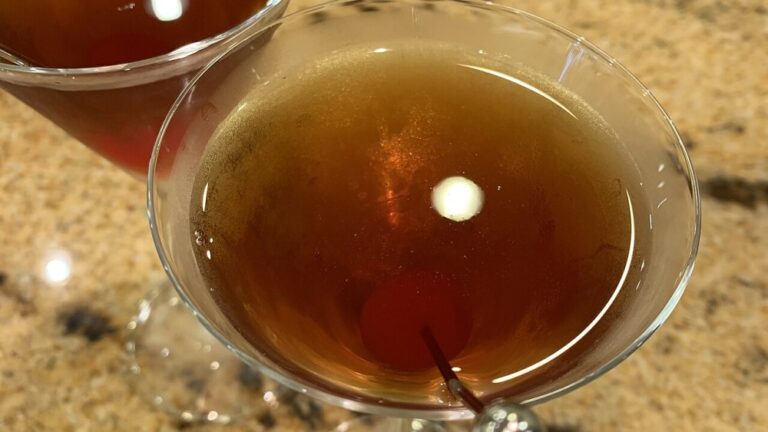
Regional ingredients in cocktails are more than just a trend – they represent an attitude. Using local spirits, juices, and herbs reduces transport distances, supports regional producers, and creates a unique profile for your bar. It’s not about abandoning classics, but rethinking them and giving guests a story they can taste.
Why work regionally?
The reasons for a local cocktail menu are obvious: shorter supply chains mean fresher ingredients and a smaller carbon footprint. At the same time, you support distilleries, beekeepers, fruit growers, and herb gardeners in your region – building trust and often personal relationships with producers. Guests increasingly appreciate this authenticity. They want to know where the things they drink come from. A cocktail menu with regional ingredients offers exactly this transparency and sets your bar apart from the competition that relies on the same international brands time and again.
Working with local products also opens up creative possibilities. Instead of mixing a Mojito with Cuban rum for the tenth time, you can experiment with a German rum from Flensburg or an Austrian gin. Regional herbs, berries, or honey give drinks a unique signature that can’t be replicated.
Which regional spirits work best?
Germany, Austria, and Switzerland have developed an impressive craft spirits scene in recent years. Gin is the classic choice: whether from the Black Forest, Hamburg, or Tyrol – the selection is vast, and the quality is often excellent. Many of these gins use regional botanicals like spruce tips, elderflowers, or juniper berries from the surrounding area.
Fruit brandies and liqueurs are also excellent options. An apple brandy from the Alten Land region, a plum schnapps from the Palatinate, or a hazelnut spirit from Franconia – these products have character and tell a story of their origin. German whisky may still be a niche, but there are now distilleries producing exciting single malts. Vodka is also made regionally, often from grains or potatoes sourced locally.
For rum enthusiasts, Flensburg is a traditional address. Even vermouth and bitters are increasingly produced by small manufacturers. The key is to visit producers, taste their offerings, and build relationships. Often, you’ll learn more about the production process than any product data sheet could ever reveal.
Regional ingredients beyond spirits
A local cocktail menu doesn’t stand or fall on spirits alone – it also depends on the surrounding ingredients. Fresh juices from regional fruit are essential: apple juice from the farm around the corner, pear juice from the region, currant or elderflower syrup made in-house. If you have a garden or balcony, you can grow herbs like mint, basil, sage, or thyme yourself – saving money and guaranteeing maximum freshness.
<n
Honey from local beekeepers is an excellent sweetener and brings unique flavors depending on the flowers. Syrups can also be easily homemade: rhubarb, elderflower, quince, or rosehip – depending on the season. Pickled fruits, fermented juices, or homemade bitters further expand the range.
Even garnishes can be considered regionally: instead of imported limes, you can use apple slices, dried pears, or edible flowers from the area. This not only looks great but also fits the flavor philosophy of your menu.
Rethinking classics
A local cocktail menu doesn’t mean you have to reinvent the wheel. Many classics can be interpreted with regional ingredients without losing their soul. A Gin Tonic works perfectly with a German gin and a tonic water produced locally. A Sour can be made with a German whisky or fruit brandy instead of bourbon – the structure remains, but the flavor becomes regional.
For example: instead of a classic Mojito with Cuban rum, you can create an apple Mojito with regional apple brandy and fresh mint from your garden. Or replace the lime juice with apple juice and a touch of lemon – the result is refreshing and has a clear regional connection. Even a Negroni can be reimagined with German vermouth and a local bitter.
The key is to maintain balance. Regional ingredients should enhance the drink, not overpower it. Experiment, taste, and don’t hesitate to remove a drink from the menu if it doesn’t work.
Harnessing seasonality as a strength
Working regionally inevitably means working seasonally. This isn’t a drawback, but an opportunity. A cocktail menu that changes with the seasons remains exciting and gives regulars a reason to return. In spring, you can work with rhubarb, elderflowers, and fresh herbs; in summer with berries; in autumn with apples, pears, and quinces; in winter with nuts, spices, and pickled fruits.Seasonality forces you to stay creative. When strawberry season is over, you need to come up with something new. This keeps you and your team sharp and ensures your menu never becomes boring. Moreover, you can specifically promote seasonal highlights: a cocktail with fresh cherries in June or a Quince Sour in October generates attention and anticipation.
Communication is everything
A local cocktail menu lives through the story you tell. Write on the menu where the ingredients come from – not at length, but concisely. Gin from the Black Forest, honey from beekeeper Müller, fresh mint from your own garden – such information builds trust and interest. Your staff should know and be able to pass on the stories behind the drinks. If a guest asks where the apple brandy comes from, the answer shouldn’t be “I don’t know,” but rather a short, genuine story.
You can also introduce producers on social media, share photos from your visit to the distillery, or show how you harvest herbs in the garden. This makes your bar tangible and likable. Guests notice that bottles aren’t simply ordered from a wholesaler here, but that each drink is backed by thought and conviction.
Challenges and how to overcome them
Of course, there are hurdles. Regional products can sometimes be more expensive than mass-produced goods, and availability can fluctuate. Not every distillery delivers nationwide, and some ingredients are only available in limited quantities. Here, flexibility helps: keep multiple suppliers on hand. If the elderflower syrup runs out, ideally you’ll have an alternative ready or even make it yourself.
The pricing also needs to be right. Regional ingredients often justify a higher price, but only if you communicate that. Guests are willing to pay more if they understand why. A cocktail with regional gin, homemade syrup, and fresh herbs can easily cost two euros more than a standard drink – as long as the quality is there and the story behind it is told.
Another point: not every guest wants experiments. Therefore, keep one or two accessible drinks on the menu that appeal to more conservative guests. A good Gin Tonic or a classic Sour with regional ingredients are safe bets that won’t overwhelm anyone.
Also worth checking out
Frequently asked questions
Do I have to completely dispense with imported spirits?
No, nobody is demanding purism. The point is to use regional alternatives wherever possible and sensible. A Whiskey Sour works with German whisky too, but if you want to make a Daiquiri with Cuban rum, that’s perfectly fine. It’s all about balance.
Where can I find regional spirit producers?
Visit trade shows like Bar Convent Berlin, check platforms like Breaks, or ask local distilleries directly. Many small producers are happy to connect with restaurateurs and offer tastings. Even specialist wholesalers now have regional ranges in their programs.
How do I explain to guests why a cocktail is more expensive?
Be honest and specific. Explain that you work with regional ingredients that are fresher and have shorter supply chains. Most guests appreciate transparency and are willing to pay for quality and conviction. The important thing is that the drink then lives up to what it promises.
What do I do if an ingredient is no longer available?
Plan seasonally and keep alternatives on hand. When strawberries are out of season, switch to raspberries or blackcurrants. Or take the drink off the menu and replace it with something new. This keeps the menu vibrant and shows that you really work with fresh, seasonal products.