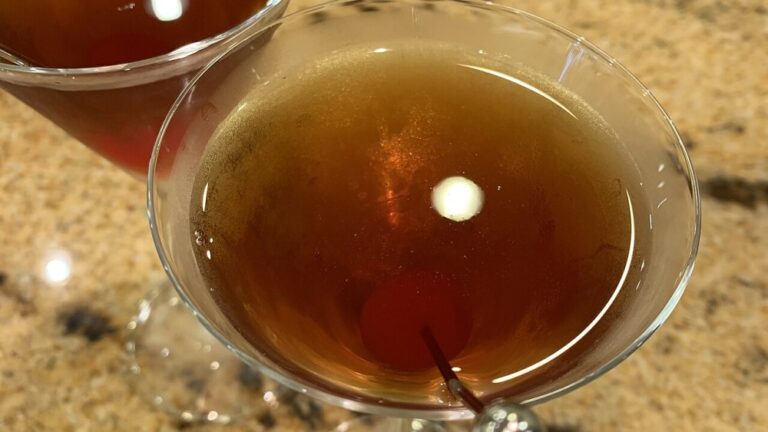
A good cocktail is not a matter of chance, but the result of a deliberate balance between five elements: sweetness, acidity, bitterness, alcohol, and water. Each of these elements serves a specific function in the flavor profile and influences how harmonious or unbalanced a drink feels. Understanding this balance allows you to adapt recipes intentionally, create your own variations, and understand why some drinks work while others don’t.
What the five elements are and how they work
Sweetness usually comes from sugar, syrup, liqueur, or sweet spirits like Rum. It rounds off sharp edges, mellows acidity and alcohol, and gives the drink body. Too much sweetness makes a cocktail sticky and one-dimensional; too little leaves it harsh and inaccessible.
Acidity comes from citrus fruits, vinegar, or sour modifiers. It brings freshness, highlights aromas, and ensures a drink doesn’t taste flat. Without enough acidity, even well-intentioned cocktails can taste boring. Too much acidity, however, burns on the tongue and overpowers everything else.
Bitterness is provided by Bitters, vermouth, Amari, or citrus peel. It gives a drink depth, complexity, and a dry finish. Bitterness stimulates the appetite and prevents a cocktail from being too sweet or one-dimensional. In the right dose, it’s the salt in the soup; too much makes the drink undrinkable.
Alcohol is not only a carrier of aromas but also a flavor element in itself. It brings heat, warmth, and structure. High-proof spirits dominate quickly, so they need balancing with the other elements. Too much alcohol burns; too little leaves the drink watery and weak.
Water is often overlooked but essential. It enters the drink through ice during shaking or stirring, or as ice cubes in the glass. Water dilutes the alcohol, lowers the temperature, and makes the cocktail more drinkable. Without enough dilution, a drink tastes too strong and unharmonious; too much water makes it bland.
How to spot imbalance
A drink that’s too sweet clings to the mouth, the finish is heavy, and one sip is enough. Often, acidity or bitterness is missing to cut through the sweetness. A drink that’s too sour puckers the cheeks, burns the tongue, and other aromas disappear behind the acidity. More sweetness or a reduction of citrus juices helps here.
Too much bitterness makes a drink unpleasantly dry and leaves a metallic or medicinal aftertaste. This often happens when too much Bitters or citrus zest is used. Too much alcohol is noticeable when the drink burns sharply, aromas are overpowered, and you cough after the first sip. More dilution or adjusting the spirit quantity provides a solution.
Too much water makes the drink watery and flat. This can happen if shaking or stirring takes too long, if the ice is too small, or if the drink sits in the glass for too long. The aromas blur, and the texture becomes thin.
How to achieve balance in practice
The classic Daiquiri formula is a good example of balance: two parts Rum, one part lime juice, one part sugar syrup. Here, sweetness and acidity are in a one-to-one ratio, while alcohol is twice as strong and is mellowed by dilution during shaking. This basic structure can be applied to many Sour drinks.
For spirit-forward drinks like a Martini or Manhattan, the balance works differently. Here, alcohol dominates, bitterness and sweetness come from vermouth, and dilution through stirring is crucial. Too little water makes the drink taste too strong; too much makes it watered down.
When adjusting a recipe, it helps to change only one element at a time. If a drink tastes too sour, add sweetness—not less acidity. If it’s too sweet, add acidity or bitterness. If the alcohol burns too much, extend shaking or stirring time for more dilution. Working systematically helps you find the right balance quickly.
Temperature also plays a role: cold drinks taste less sweet and less alcoholic, while warm drinks taste more intense. That’s why a cocktail should always be served well chilled; otherwise, the balance tips.
Common misconceptions
A widespread misconception is that more alcohol makes a better drink. The opposite is true: too much spirit overpowers all other aromas and makes the cocktail undrinkable. Balance doesn’t mean that each element is equally strong, but that none dominates or is missing.
Many believe that dilution is a mistake. In reality, water is a deliberate component of every cocktail. Without enough dilution, even a perfectly measured drink tastes too harsh. The right amount of water makes the difference between a good cocktail and a great one.
Another misconception: sweetness can be balanced with more alcohol. That doesn’t work because alcohol doesn’t provide acidity or bitterness. If you want to fix a drink that’s too sweet, you need lemon juice, lime juice, or Bitters—not more Gin or Vodka.
Related
Frequently Asked Questions
Can you still correct the balance of a finished cocktail?
Yes, but only to a limited extent. If the drink is too sweet, you can add a splash of lemon juice or a few dashes of bitters. If it’s too sour, a teaspoon of sugar syrup will help. Excess water or alcohol cannot be undone. Therefore, it’s better to pay attention to balance right from the start when mixing.
Why does the same drink taste different when made by different bartenders?
Small differences in dilution, the amount of ice, shaking or stirring time, and the dosage of ingredients affect the balance. The quality of the spirits, the freshness of the juices, and the temperature also play a role. A good bartender works consistently and pays attention to these details.
Are there drinks where the balance is intentionally skewed?
Yes, some cocktails are deliberately sweeter, more sour, or more bitter. An Espresso Martini is sweeter than a classic Martini, and a Negroni is significantly more bitter than a Daiquiri. The key is that the shift is intentional and the drink still tastes harmonious. Even a bitter cocktail needs enough sweetness to remain drinkable.
How much dilution is correct?
It depends on the drink. Sours are diluted by about 20 to 25 percent, stirred drinks like a Manhattan or Martini by about 25 to 30 percent. Too little dilution makes the drink too strong, too much makes it taste bland. The right amount is achieved by controlled shaking or stirring with good ice.