The home bar is no invention of the 20th century, but it only became a status symbol in the 1920s and 1950s. What was once a locked cabinet for spirits turned into the secret hub of social life during Prohibition. Today, the question is less about where, but about how: Which tools are really necessary, and what is just decoration?
From sideboard to bar cart
In the 19th century, well-to-do households stored spirits in lockable sideboards or display cabinets. The master of the house held the key; guests were served, not entertained. It was only with Prohibition in the USA that things changed: Anyone who had alcohol at home had to be able to mix it themselves. The home bar became a private speakeasy, and with it came the first specialized equipment in the living room – shaker, jigger, bar spoon. After the Second World War, the home bar reached its heyday: the rolling bar cart made of chrome and glass became a symbol of the upper middle class. People showed what they had and mixed drinks in front of their guests. The setup became an expression of taste and worldliness.
What you really need
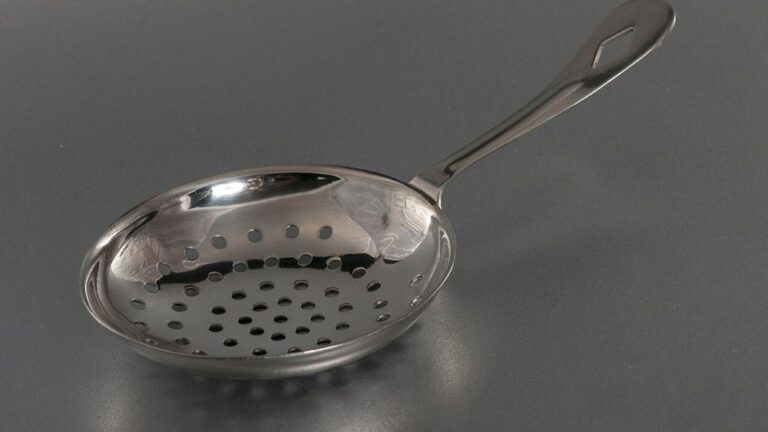
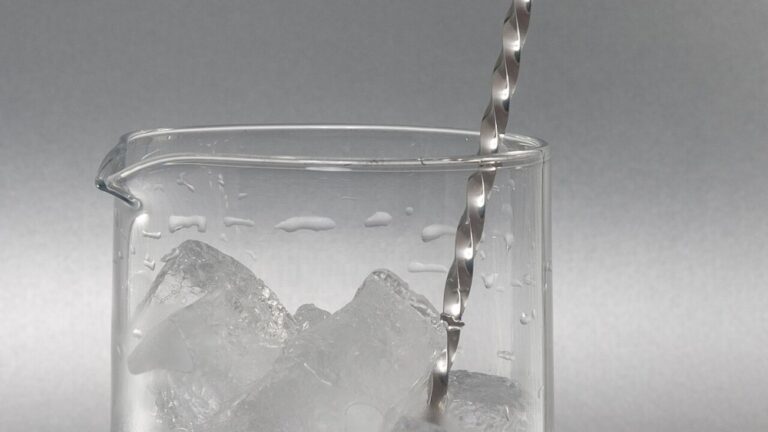
Anyone setting up a home bar today is faced with a wealth of options. But the basic equipment is manageable: a three-piece shaker or a Boston shaker, a jigger for measuring, a bar spoon for stirring, a strainer for straining and a muddler for herbs and fruit. Add to that the right glasses: tumbler, coupe, Highball glass and possibly a Martini glass. That’s all you need to mix classic drinks. Everything else – atomizers, ice picks, channel knives – is for specialists. In the 1950s, manufacturers sold entire bar cases with 20 pieces; much of it ended up unused in the cupboard. Experience shows: a few good tools that you know how to use are worth more than a full drawer.
Ice, glass and storage
What is a matter of course in a professional bar is often neglected at home: good ice. Refrigerator ice cubes are small, cloudy and melt quickly. If you mix seriously, you need large, clear ice cubes or spheres. In the USA, bartenders experimented with frozen distilled water and special molds in the 2000s; today there are ice presses and silicone molds for home use. Equally important is the storage of spirits: direct light and heat are harmful, so open bottles should not be placed on the bar cart by the window. Vermouth and other wine-based products last longer in the refrigerator. The home bar is not a museum, but a workspace – and as in any good bar, the care of the equipment counts.
What remains in the bar
The professional bar has emancipated itself from the home bar, but many tools have remained. The Boston shaker, now standard in almost every bar, was originally a compromise for home use: easier to clean and more versatile than the three-piece Cobbler shaker. The jigger, often dismissed as a gimmick in the 1950s, is now indispensable for precise work. Conversely, cocktail forks, lemon squeezers and other specialty tools have disappeared from the drawers – too cumbersome, too little used. What remains is the realization: good home bar culture is based on practicality, not on catalogs. Those who mix at home learn the same hand movements as behind the bar – just on a smaller scale and with more time.
Related
Frequently asked questions
Do I need a Boston shaker or a three-piece shaker?
The Boston shaker is more versatile and standard in professional bars, but requires a separate strainer. The three-piece Cobbler shaker is more beginner-friendly, but harder to clean. For beginners, the Cobbler is sufficient; those who mix regularly opt for the Boston.
Which glasses are really necessary?
Tumblers for short drinks and Old Fashioneds, Highball glasses for Highballs, coupes for shaken drinks without ice. With these, most classic cocktails can be served. Martini glasses and champagne coupe are optional.
How important is good ice?
Very important. Small ice cubes dilute drinks quickly, large ones cool for longer and melt more slowly. Clear ice made from frozen boiled or distilled water looks better and tastes neutral. Silicone molds for large cubes are inexpensive and widely available.
Do I need to store all spirits on the bar cart?
No. Light and heat are harmful to spirits, especially opened bottles. Vermouth, sherry and other wine-based products should be kept in the refrigerator. The bar cart is nice, but a cool cupboard is more practical.
What is superfluous in the home bar?
Cocktail forks, electric drink mixers, lemon squeezers and most gadgets from bar case sets. A good knife, a cutting board and a channel knife are sufficient for garnishes. Less is more.