The Boston Shaker is the most widely used shaker system in professional bars worldwide. Unlike the three-piece Cobbler Shaker, it consists of only two nested cups – a metal part and a glass or two metal parts. This simple design makes it quick, robust, and versatile. Anyone working behind the bar will inevitably use a Boston Shaker.
What makes the Boston Shaker special
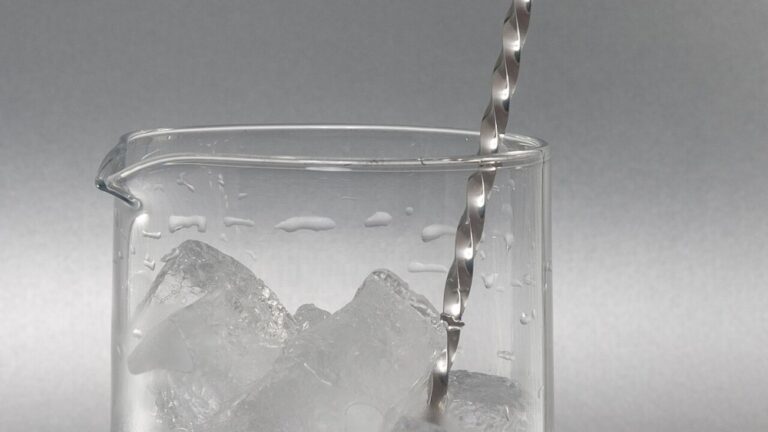
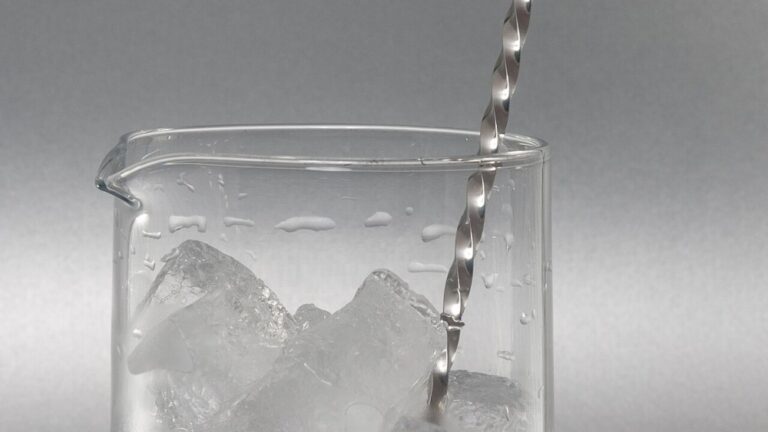
The Boston Shaker consists of two parts: the larger metal part (usually made of stainless steel) and the smaller mixing glass made of tempered glass or a second, smaller metal part. The two parts are stacked together and sealed airtight with light pressure. When shaking, the cold creates a vacuum that holds the parts together.
Unlike the Cobbler Shaker, the Boston Shaker has no built-in strainer. After shaking, the drink is strained using a separate bar strainer – usually a Hawthorne Strainer. This may seem cumbersome at first glance, but in practice it is much faster and more flexible. The Boston Shaker holds more volume, is easier to clean, and is practically indestructible.
Why professionals prefer the Boston Shaker
In busy bars, speed is key. The Boston Shaker can be opened and closed in a fraction of a second, whereas a Cobbler Shaker often freezes or gets stuck. The larger volume allows for shaking multiple drinks at once, which is essential during events or rush periods.
Additionally, the Boston Shaker gives the bartender more control. You can feel the ice cubes moving during shaking and know exactly when the drink has reached the right temperature and dilution. The metal part becomes noticeably cold from the outside – direct feedback that is missing with a closed Cobbler Shaker.
Durability also plays a role. While the built-in strainer in a Cobbler Shaker can clog or the threads can wear out, the Boston Shaker has no moving parts. Even after years of intensive use, it still works perfectly.
Proper handling
Ingredients and ice go into the mixing glass, then the metal part is placed on at an angle and pressed firmly with the palm of your hand. Important: not too gently, otherwise the shaker will come apart during the first shake. Shaking is done with both hands over the shoulder or at the side of the body – never in front of the guest in case something comes loose.
After shaking, the shaker is tapped with the palm of your hand on the transition between glass and metal to release the vacuum. This requires some practice but quickly becomes routine. Then the bar strainer is placed on top, and the drink is strained. The ice remains in the shaker.
A common beginner mistake: shaking too long. Ten to fifteen seconds is enough for most drinks. Longer only means more dilution, not better quality.
Glass or metal – the material question
The classic combination is metal plus glass. The glass has the advantage that you can see the ingredients – practical for measuring and visually appealing. However, glass can break if mishandled or exposed to extreme temperature changes.
That’s why many bars now use the tin-on-tin version: two metal parts in different sizes. This is unbreakable, dishwasher-safe, and just as functional. The only downside: you can’t see what’s inside. For experienced bartenders, this doesn’t matter, while beginners often appreciate the transparency of the glass.
Both variants work equally well. The choice ultimately comes down to personal preference and the bar’s requirements. In high-frequency operations, metal is preferred, while in cocktail bars with a show character, glass remains popular.
Related content
- Hawthorne Strainer
- Daiquiri
- Whiskey Sour
- Margarita
Frequently asked questions
Why does the Boston Shaker sometimes open with difficulty?
A vacuum is created inside due to the cold ice and the shaken liquid. Additionally, the metal expands slightly when cold. A targeted tap with the palm of your hand on the transition between the two parts releases the seal. Never pull on the glass – it could break.
Can you use the Boston Shaker without a strainer?
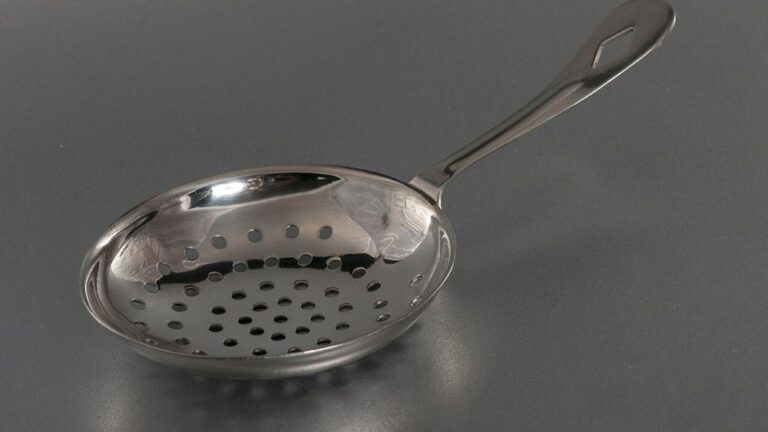
Theoretically yes, practically no. You could try to pour while leaving a small gap to hold back the ice, but this works poorly and looks unprofessional. A Hawthorne Strainer or Julep Strainer is essential with a Boston Shaker.
What size is standard?
The metal part typically holds 800 milliliters, and the mixing glass holds 450 milliliters. These sizes have become the international standard and provide enough space for two to three drinks at once. Smaller or larger versions exist but are rarely necessary.
Does the Boston Shaker need to be prepared before first use?
No, but a thorough rinse won’t hurt. New metal parts may have a slight odour after production. Rinse once with hot water, dry thoroughly, and you’re done. Unlike some wood products or copper cups, the Boston Shaker doesn’t require any special break-in period.