Food and stimulants are terms that frequently appear in the world of spirits but are rarely clearly defined. While stimulants primarily serve taste and sociability, medicinal products claim to be health-effective. But where does pleasure end, and where does the medicinal effect begin? And why do both categories play a role in the bar? In practice, these terms are mainly encountered with liqueurs, herbal distillates, and traditional spirits. They often have historical roots, are regulated differently by law, and raise questions: Can they simply be served? How should their effect – or lack thereof – be communicated? This article clarifies the basics without resorting to marketing promises or medical advice.
Differences between medicinal products and stimulants
Stimulants are substances primarily consumed for their taste, aroma, or social experience. This includes classic spirits like Gin, Rum, or Whisky, as well as liqueurs with fruity or spicy notes. Their main purpose is pleasure – whether neat, in a cocktail, or as a digestif. Medicinal products, on the other hand, are marketed or associated with health benefits. This can include herbal liqueurs considered stomach-friendly or bitter distillates that are said to aid digestion.
The line between them is fluid: many spirits combine both aspects. For example, herbal liqueurs are often sold primarily as stimulants but frequently advertise traditional medicinal benefits. Legally, the distinction is crucial. While stimulants can be freely sold, medicinal products are subject to stricter regulations – such as the Medicines Act. In the bar, this means: they can be served, but not advertised with medicinal promises.
How to identify medicinal products and stimulants in the bar
Typical representatives of medicinal products in the bar are herbal and bitters liqueurs like Underberg, Jägermeister, or Chartreuse. They often contain plant extracts historically used to aid digestion, relieve cramps, or stimulate. They can be identified by their bitter, spicy, or medicinal aromas. Some even feature the word “medicinal” in their name – such as the Austrian Heilkräuterlikör (medicinal herbal liqueur).
Stimulants, on the other hand, are easier to identify: they impress with taste, not with effect. This can include fruity liqueurs like Maraschino or Triple Sec, but also high-quality distillates like Cognac or Tequila. Another clue is the marketing: medicinal products often advertise traditional recipes or herbal ingredients, while stimulants focus on aroma, origin, or mixability.
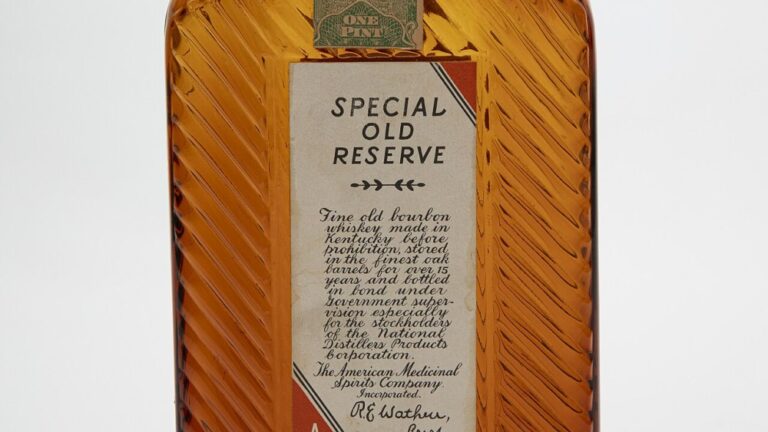
In practice, a glance at the bottle helps: if the label includes references to health benefits or herbal ingredients, it is likely a medicinal product. If such information is missing, it is a stimulant – even if it contains similar ingredients in individual cases.
Medicinal products and stimulants in bar practice
In the bar, medicinal products and stimulants are used in different ways. Stimulants are the foundation of most cocktails: they provide aroma, sweetness, or the alcoholic base. Medicinal products usually play a secondary role – such as a digestif after a meal or as an ingredient in classic recipes like the Corpse Reviver No. 2, which is enhanced with a splash of Absinth.
An important point is communication: while the taste and origin of stimulants can be freely discussed, medicinal products require caution. Statements like “aids digestion” or “boosts the immune system” are legally risky and may be considered unauthorized medicinal claims. It is better to focus on taste descriptions or traditional use – for example: a classic herbal liqueur with a spicy note, cherished as a digestif for generations.
Another aspect is storage: medicinal products with herbal ingredients can be more sensitive than pure stimulants. Light and heat can alter the aromas or impair the effect. In the bar, this means: bottles of herbal liqueurs or bitter spirits should be stored cool and dark – similar to sensitive wines.
Common misconceptions and misunderstandings
A common misconception is the assumption that all herbal liqueurs are automatically medicinal products. In reality, it depends on the advertised effect. A liqueur with herbs marketed purely for its aroma is a stimulant – even if the ingredients were historically used medicinally. Conversely, a product advertised with health benefits can be classified as a medicinal product even if it contains no classic medicinal herbs.
Another misunderstanding concerns dosing: many bartenders assume that medicinal products must be used more sparingly than stimulants. This is not necessarily true. What matters is the alcohol content and intensity of the aroma – not the supposed effect. A high-proof herbal liqueur like Chartreuse can be dosed just like any other liqueur with a similar alcohol content.
Finally, it’s often underestimated how different the legal frameworks are in various countries. What is classified as a consumer good in Germany may be regulated as a medicinal product in Switzerland or Austria. For bars with an international clientele, it is therefore advisable to inform yourself about local regulations – especially when offering spirits with health-related claims.
Related to this
- Herbal liqueurs compared: Chartreuse, Jägermeister and company
- Bitters: From stomach bitters to cocktail ingredients
Frequently Asked Questions
Am I allowed to serve medicinal products in the bar?
Yes, medicinal products such as herbal liqueurs or bitters may be served in the bar as long as they are approved as foodstuffs. It is important not to make any medical claims. Statements such as good for digestion are legally problematic. It is better to stick to taste descriptions or traditional uses.
Can I use medicinal products in cocktails?
Yes, medicinal products such as absinthe, Chartreuse or herbal liqueurs are excellent as ingredients in cocktails. They give drinks a special aroma and depth. It is important to adapt the dosage to the taste – not to the supposed effect. A classic example is the Last Word, which is enhanced with Chartreuse. Here, the focus is on taste, not on health benefits.
Why are some liqueurs classified as medicinal products and others not?
The classification depends on how the product is marketed. If the label or advertising contains references to health benefits – such as digestion-enhancing or antispasmodic – it may be classified as a medicinal product. If such statements are missing, it is a consumer good, even if the ingredients are identical. The decisive factor is therefore not the recipe, but the communication.