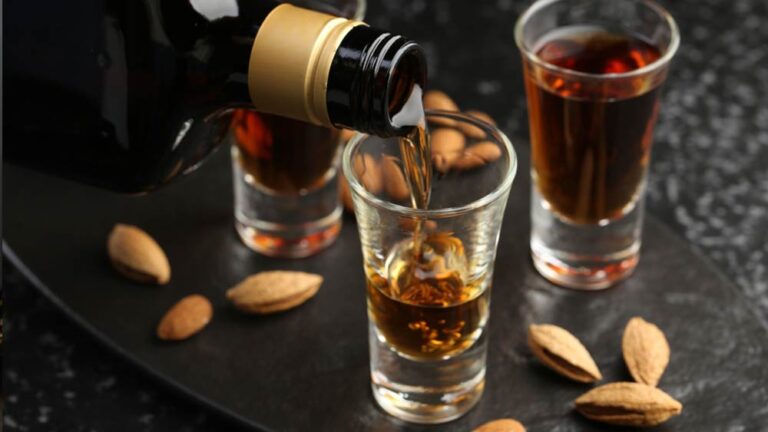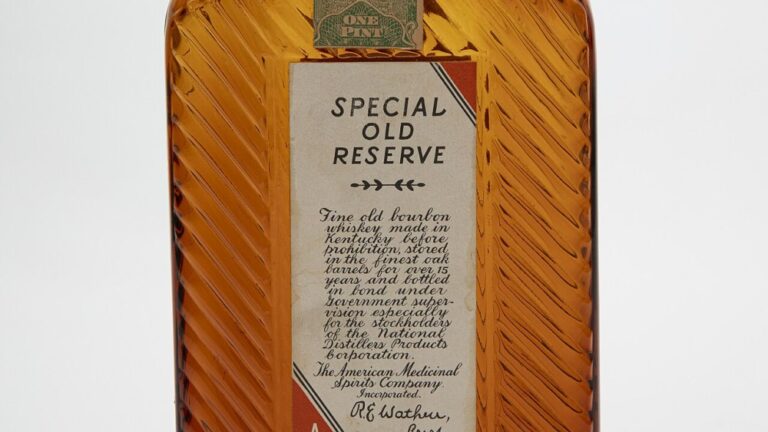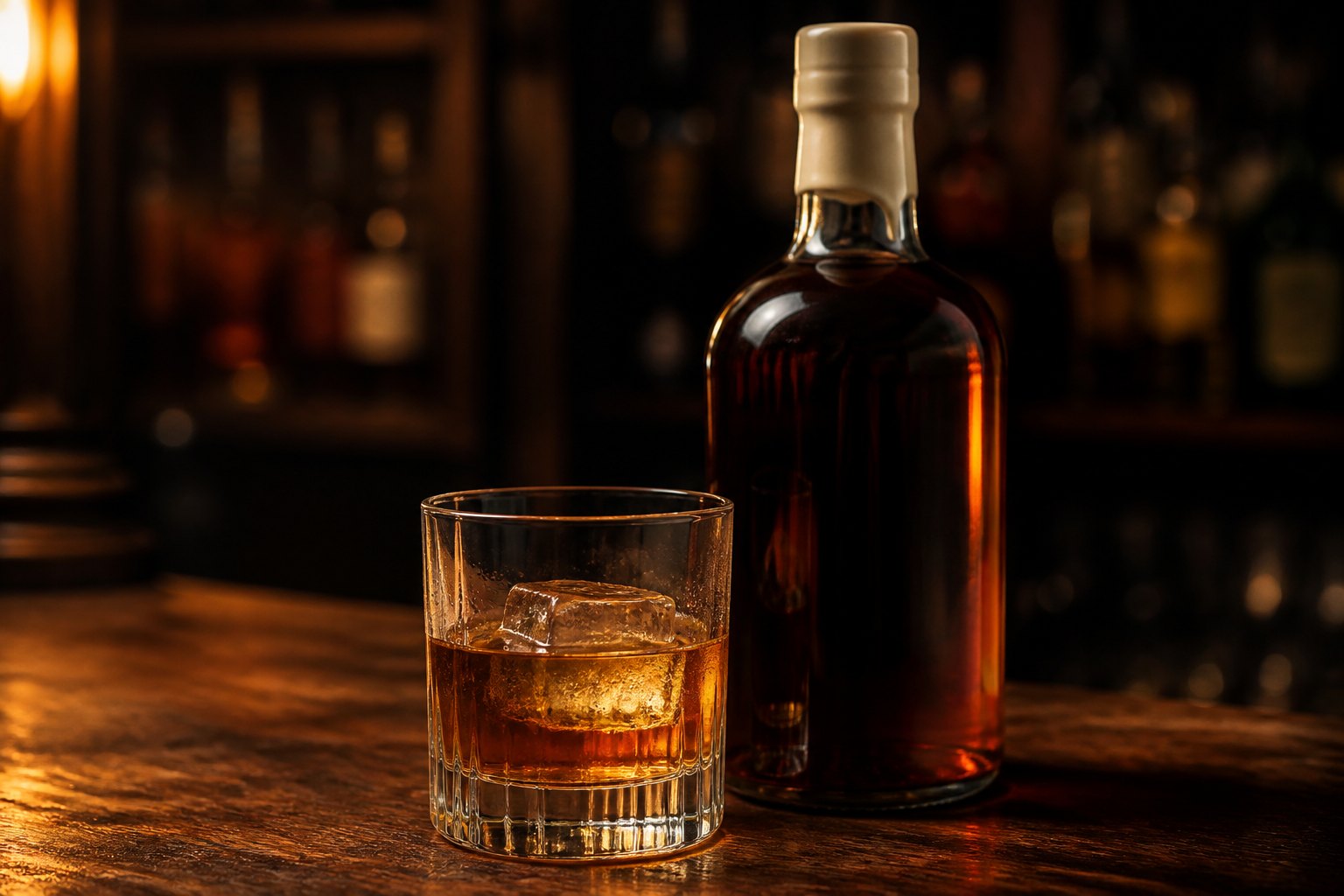
Rum is the sugarcane spirit behind Daiquiri, Mojito and Mai Tai. It is made from molasses or fresh sugarcane juice — fermented, distilled, and often aged in barrels. Behind the bar, it’s not the color on the label that counts, but origin, aging and whether sugar or flavor was added afterward.
What Rum is made of
The base is sugarcane. Most rums from the Caribbean and Latin America start with molasses, the dark residue from sugar production. Rhum Agricole — especially on Martinique — is instead distilled from fresh sugarcane juice. The difference is noticeable in taste: molasses rum tends toward vanilla, dried fruit, sometimes banana or spice. Agricole is grassier, more mineral, closer to the raw cane.
After fermentation comes distillation. Light, Spanish-style rums often go through the column still — clear, lean, great for sours. Jamaica and Guyana rely more on the pot still: more esters, more funk, the stuff Tiki drinks need. In the EU, rum must have at least 37.5 % vol.
Aging in oak barrels adds color and character. In tropical heat, rum ages faster than in Scotland — three years there isn’t the same as three years in Speyside. Dark color doesn’t always come from the barrel. Some bottlers add caramel coloring. If a rum tastes cloyingly sweet, it’s often added sugar at play, not just the wood.
White, gold, dark
White rum is rarely “unaged.” Many white rums sit in barrels and are later charcoal-filtered to remove the color. For Daiquiri and Mojito, that’s exactly what you want: dry, clean, with a bit of body — not the vanilla-Cola rum from the supermarket shelf.
Gold rum has seen some barrel time, often a few years, sometimes less plus added color. Dark rum may have aged for a long time — or just been heavily colored. Behind the bar: gold and dark rum for Tiki, Rum Old Fashioned, hot drinks. For the Daiquiri, they stay off, unless you know why you’re bringing them in.
Overproof (Navy Strength, often 57 % vol and above) is a tool, not a drinking game. A float of dark overproof on a Piña Colada or in a Mai Tai adds aroma without glazing the drink with sugar. Spiced rum is flavored — vanilla, cinnamon, spice. Fine for cola, but almost always the wrong bottle for classic cocktails.
Which Rum to mix with
A bar doesn’t need twenty bottles. Three will cover almost everything:
- A dry white rum in the Cuban style — Daiquiri, Mojito, Cuba Libre.
- A gold or dark rum with real barrel aging, low sugar — Mai Tai, Tiki, long drinks.
- Optional: a Jamaican funk or an Agricole if you’re mixing Ti’ Punch or serious Tiki.
The test is simple: smell the bottle, then mix a Daiquiri without extra trimmings. If the rum tastes like dessert, it doesn’t belong in the sour.
Related
Frequently Asked Questions
What’s the difference between white and dark rum?
The color says little about quality. White rum is often aged and then filtered. Dark rum may have aged for a long time — or simply received caramel coloring. What matters is distillation, origin and whether sugar was added afterward.
Which rum should I use for a Daiquiri?
A dry white rum, Cuban style, without vanilla or spice. 5 cl rum, fresh lime, a little simple syrup — the rum should carry the sour, not overpower it.
Can you drink rum neat?
Yes, if it’s aged and not packed with sugar. A good gold or dark rum in a nosing glass, neat, will reveal barrel, molasses and origin. White mixing rum is usually too lean for that.
Is rum always sweet?
No. Sugarcane does not equal dessert. Unsweetened rums taste of barrel, esters, sometimes grass or spice. It gets sweet when the bottler adds sugar — or you dump spiced rum into the cocktail.